
How FIAT Turned A Problem Into A Winning Strategy - Strategy With RS
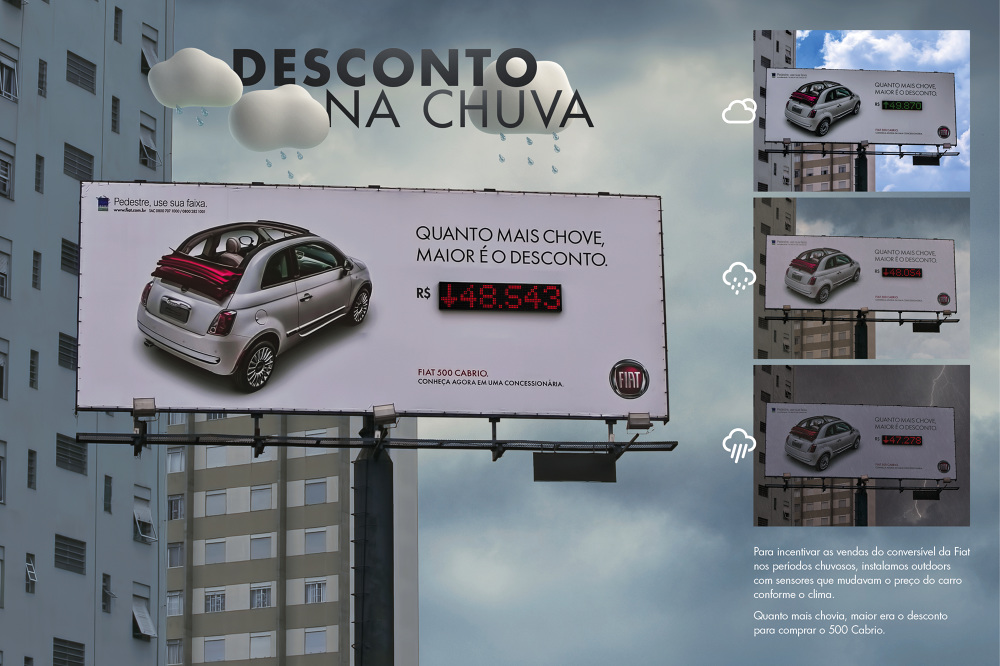
In Brazil, FIAT the automobile company, realized that during the rainy season sales of its convertible cars suffer.
Rajesh Srivastava
In Brazil, FIAT the automobile company, realized that during the rainy season sales of its convertible cars suffer.

Failure is just a milestone and it is important to learn from it, it. Anu Agrawal and Jayati Narula (MBA II HR) explain from MBA II HR, how failure can be beneficial to organisations.
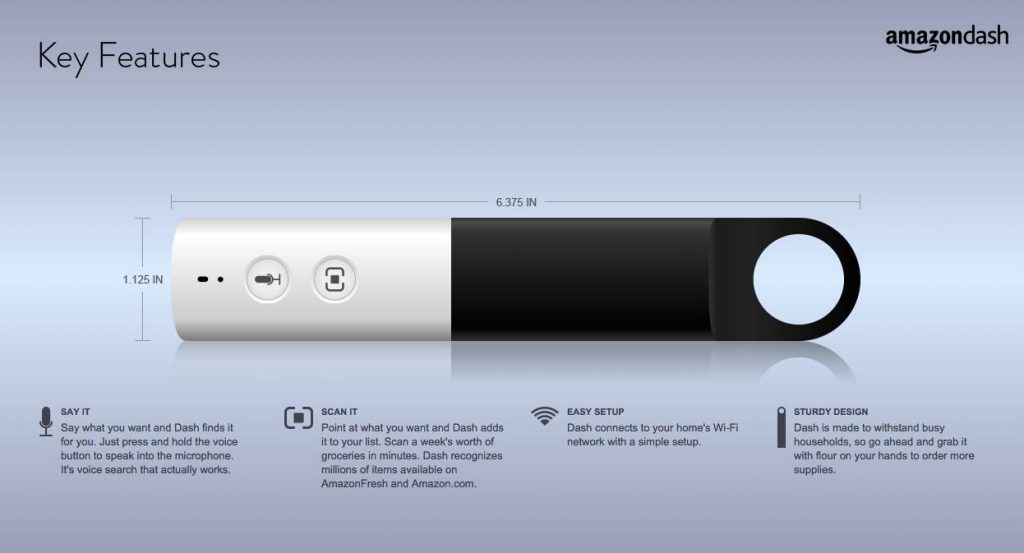
Amazon has mastered the art of identifying pain points of customers & then developing end-to-end solutions to either reduce or eliminate them.
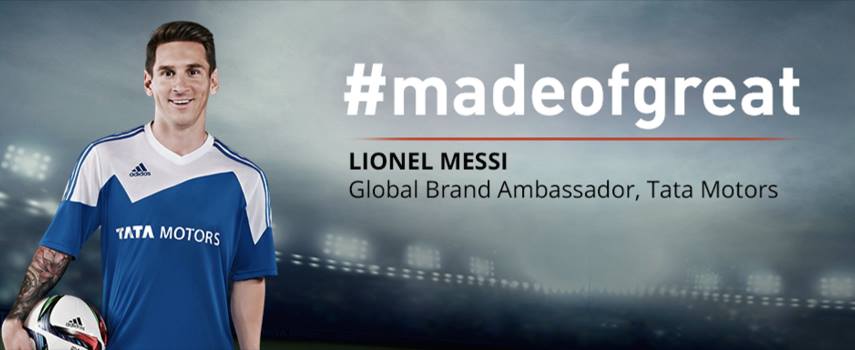
Tata Motors has signed on Lionel Messi, arguably, the world’s best football player.
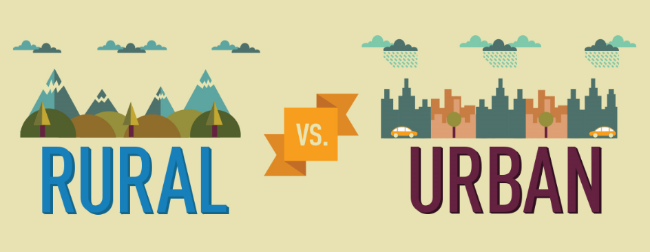
The great marketing Guru, Philip Kotler says: “Marketing takes a day to learn. Unfortunately it takes a lifetime to master.” And the recent additions to this paradox are the companies, which are trying to reach out to the rural market. Undoubtedly, the fortune lies at the bottom of the pyramid. However, the predicament is to find a suitable modus operandi to penetrate it with maximum value being offered to the end-consumer. There are manifold challenges in marketing in rural India. The first challenge is to ensure availability of the product or service at the required outlet. The company has to be decisive on the design of the distribution network and its logistics from the beginning taking into consideration the hindrance due to poor infrastructure and roads. The second challenge is to ensure affordability of the product or service. Rural population has lower disposable income and less WTP (Willingness To Pay). So the product has to be designed for the targeted segment as per their requirement at affordable price. Another challenge would be regarding the acceptability of the product. Rural population gives high importance to traditional values and principles. This is an indispensable insight while designing the product or the service. Since large parts of rural India are inaccessible to ATL (Above The Line) advertising, product knowledge becomes a major setback for brand penetration. The sheer case of not understanding the significance of the product or service restricts the brand presence and becomes a road block in enhancing the brand equity. However, there is a silver lining. According to 2011 Census data, out of 1.21 billion population in India, the size of rural population is 833.1 million, which is around 68.8% of the total population. The level of urbanization has increased from 27.81% in 2001 to 31.16% in 2011. Along with the rapid urbanization in the past decade, the literacy rate in rural India increased from 58.7% in 2001 to 68.9% in 2011 as per the census data. Due to increase in per capita income, the willingness to pay has increased drastically in the rural parts of India. The rural diaspora has become more quality conscious and socially responsible. This new generation rural population is referred to as “Rurban”. It wants the company to sacrifice some part of the consumer surplus and deliver maximum value at the same price. This generation collects information from multiple channels and wants the company to be on its toes to cope up to the changing customers’ preferences. Let’s spend some time on how to find ideal and pragmatic solutions to various problems prevalent in rural markets and how to reach to Rurbans. A company should choose the distribution network model that is appropriate for the product or service it sells. Distribution networks which carry local inventories are preferable for products with high demand, especially if transportation cost is a large fraction of total cost incurred. These networks incur higher inventory holding cost but lower transportation cost, thereby reducing the overall cost. It provides a faster response time as well. Rurbans are comfortable with the advent of new technology. It is company’s responsibility to be conversant with the latest technology and ensure brand recognition in all channels with the help of targeted marketing. They are gradually moving form a price-conscious mind-set to quality-first thinking. If a product offers a value, which arouses attachment and the passion is communicated aptly to the target through proper marketing methodology; then the concerned segment becomes a loyal buyer. This analogy is applicable to Rurbans too. Word-Of-Mouth (WOM) marketing becomes a significant differentiating factor while communicating the brand equity to the concerned segment. Rurbans give a lot of importance to peer review and feedback while arriving at a decision. Hence positive WOM creates sanguine vibe about the product in the community. Additionally, it is expected of the company to provide the Rurbans with sufficient and correct information for a seamless decision making process. To sum it up, the young restless generation “Rurbans” is continually evolving and the marketing of the brand has to match it. Its requirement is transforming drastically with the advent of advanced technology and changing customers’ preferences. Hence there is a dire need of continuous market research to study the psychographic and behavioral aspect of Rurbans. Nevertheless, interactive communication, striking a chord in terms of passion & adventure and taking cognizance of social responsibility are keys to effective and coherent marketing communication to Rurbans.
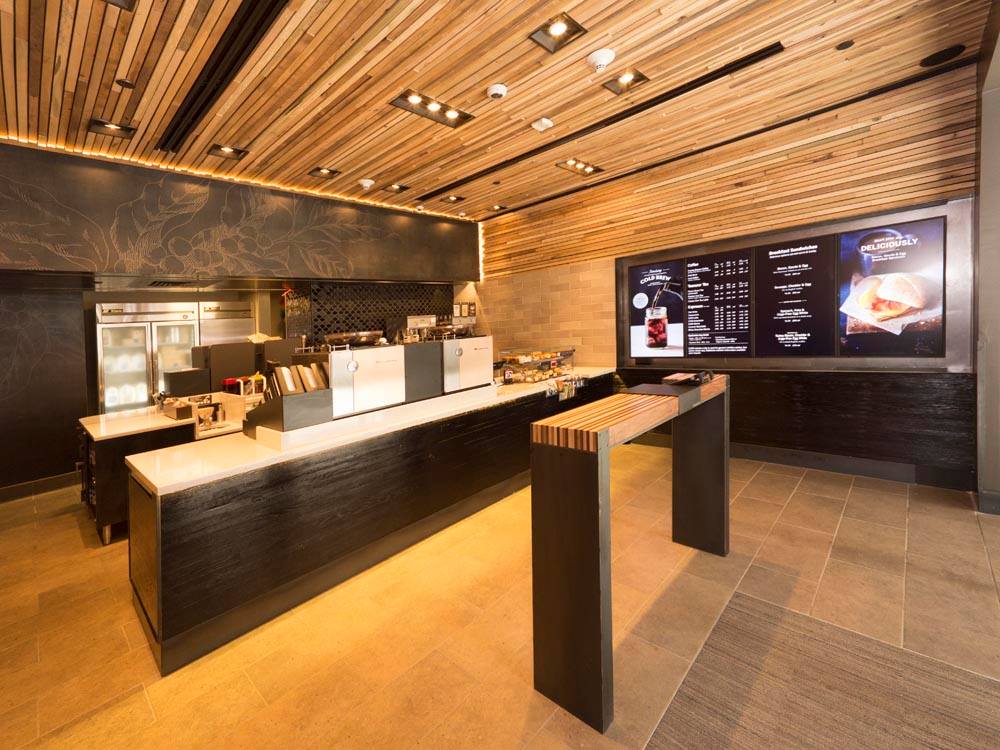
People visit Starbuck to hangout & luxuriate in its legendary ‘experience’.
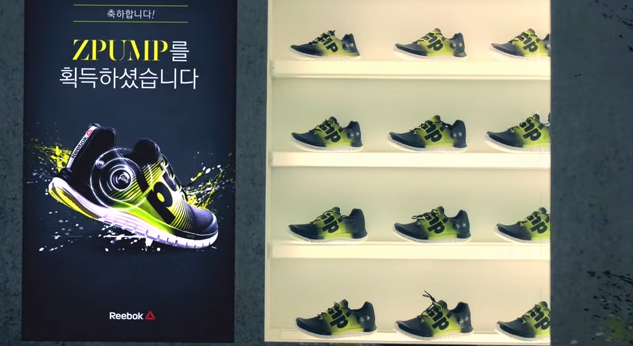
Did you know that 5.3 million deaths occur each year due to sedentary lifestyle? Yet people remain inactive.
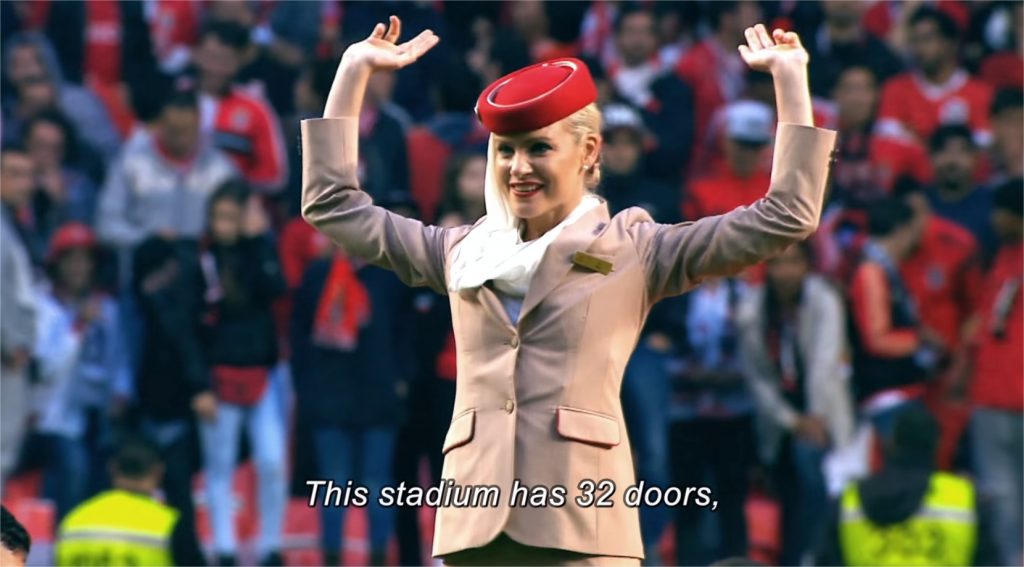
Surprise was in store for over 65000 fans who had filled the Estadio da Luz stadium, the venue of a match between Benfica & Sporting this Sunday.