
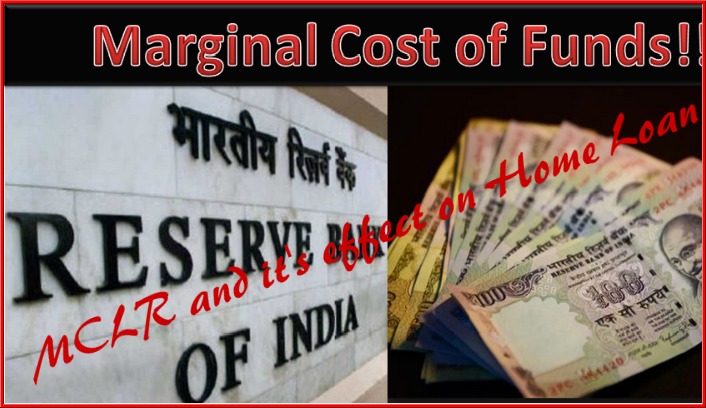
MCLR And It’s Effect On A Home Loan
Until March 2016, the interest rate levied on loans were dependent on the base rate system. This benchmark was dropped to give way to the MCLR (Marginal Cost of Funds based Lending Rate) system.
Arwind Sharma
Until March 2016, the interest rate levied on loans were dependent on the base rate system. This benchmark was dropped to give way to the MCLR (Marginal Cost of Funds based Lending Rate) system.

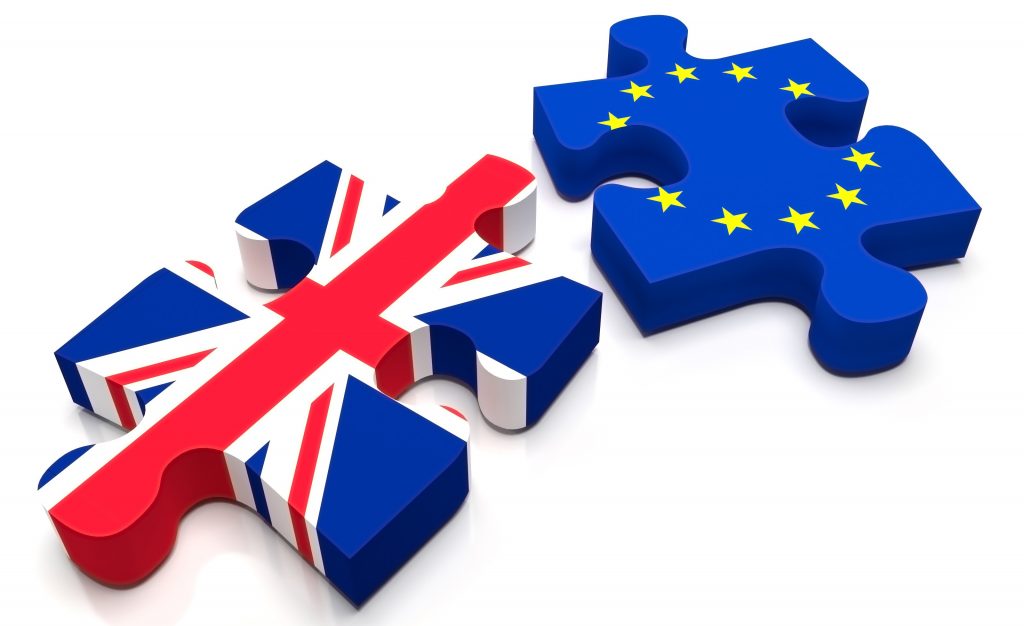
Exits or potential exits seem to be the flavour of the season. First a hue and cry was raised (and rightly so), over the state of Greece’s economic affairs and its impending exit from the EU followed by a Scottish referendum on whether to leave the UK. The latest in this saga was Britain’s decision to weigh the pros and cons of its association with the EU, with the “nay” vote being termed as “Brexit”. After keeping the world on tenterhooks, the UK has now voted to leave the EU in what was termed as the most consequential decision British voters made in a generation. The “Leave” camp emerged victorious with a 51.9%-48.1% margin. This article attempts to crystallize some of the issues on which the fight was fought. The EU (including the UK), is a bloc of 28 nations in Europe which has sought to create a single market for free movement of people goods and workers. The UK joined this bloc in 1973. It held a referendum in 1975 for its continued association of the “Common Market” and was endorsed by 67 % of affirmative votes. The UK, however, is not a part of the Eurozone, a congeries of 19 nations that use the Euro as the sole tender. Eurosceptics ran a successful campaign to keep the UK out of the Eurozone when the Euro was launched in 1999. So, the UK continues to use the pound. It is these Eurosceptics who spearheaded the campaign for the UK to leave the EU. The “Leave” camp, championed by the likes of former London mayor Boris Johnson, felt that continued membership of the EU was costly, saddled the country with burdensome regulations and curbed the UK’s ability to regulate immigration. On an average, the UK now accepts 500 EU-immigrants daily. Immigration of skilled workers from low wage countries in the EU to their richer counterparts like the UK has been blamed for driving down wages and causing unemployment or underemployment in the domicile population. Sceptics viewed the prudery of the EU with disdain. The EU’s original aim was, in the words of Lord Lawson, former Chancellor of the Exchequer, “to cage the German tiger in a European cage”. They feel that what was supposed to be essentially a trading bloc now wields too much power spanning law, immigration, security and justice. It has assumed a supranational stature, undermining the British government’s policies in London. The Brexit debate had been characterized by political invective from both sides with the “Remain” camp accusing the “Leave” camp of fear mongering and spreading lies. Nigel Farage, the blatantly anti –EU UKIP leader, highlighted the dangers of uncontrolled immigration. He also raised a red flag over the EU’s fast-tracking of Turkey’s membership calling the move “damned dangerous”. The “Remain” camp argued that leaving the union would have unforeseen consequences with regard to national and economic security as no member state has ever left the union before. The “Remain” camp with the likes of British PM, David Cameron, contended that a Brexit will give rise to an era of uncertainty that may see the pound whiplashed by winds of unpredictability. UK’s exit will mean the country will return to WTO rules which imply 10% tariff on exports which will hurt the bottom lines of British companies. Interestingly, the EU accounts for about 45% of the UK’s exports. The UK is seen as a gateway to Europe. With the 2 identities set to become distinct, champions of the “Remain” campaign see a decline in tourism and other allied benefits. Indian interests are inextricably linked with the fortunes of the British economy. There are more than 800 registered Indian companies employing over 110000 employees in the UK. Indian investments are the 3rd largest in the UK. Turnover of the largest Indian companies has risen by 18 % in 2016 to 26 billion pounds. However, industry captains warn that inward investments from India may be affected if the attractiveness of border-free access to the EU diminishes. Another sensitive issue is that of Indian students who are classified as immigrants. A Brexit government’s efforts to curb immigration may see the axe fall on Indian students as well with measures like the 2012 withdrawal of post work visas becoming more stringent. “Leave” campaigners have been trenchant in their criticism of the occlusive nature of the EU with regard to British policies. The “Remain” camp was equally vociferous about the advantages of staying put. Either way, public opinion was split, making an outcome hard to predict. The “Leave” camp’s razor thin margin of victory has sent world markets into a tailspin. It has claimed its first victim – incumbent PM Cameron’s mea culpa means he will step down in October. The divorce will not be immediate. Negotiations ranging from trade policies to the status of Europeans living in the UK will need to be trashed out. This process is likely to take years. While Northern Ireland and Scotland voted to remain in the EU, Wales and England opted out. It just goes to show that he United Kingdom is far from”United”. ------- About the Author: Saikat Gupta, is a student of NITIE, Mumbai, PGDIM batch 22, and a media relations cell coordinator.

The European Union emerged in 1951 in order to mitigate the effects of World War 2 by facilitating duty free trade among the nations belonging to the European Union. The consortium initially constituted only six nations. It was initially only a coal and steel community, and later in 1957 the treaty of Rome created the ‘European economic community’. Britain however joined the community later in 1973. And in the aftermath of joining the group they went through a referendum in 1975, in order to decide whether or not to stay in the group, and, subsequently was part of Eurozone as majority were in favour of being a part of it.
This is the fourth edition of the annual Alumni Report on InsideIIM.com. This is part 4 of this year’s series. You can find other parts (Finance, Tech, Consulting) of the 2016 series here.
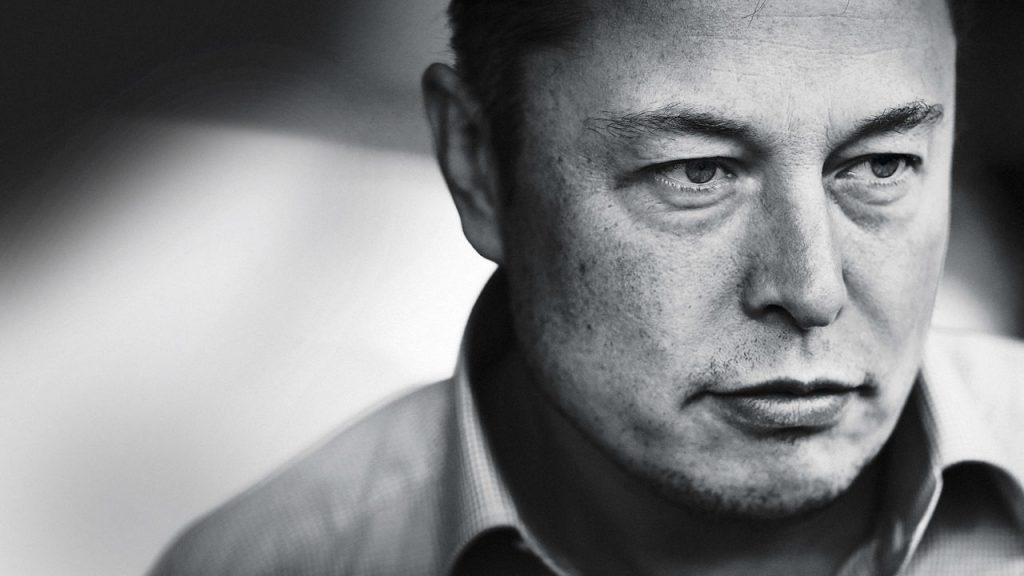
Elon Musk is a strong contender for the throne vacated by Steve Jobs. He is creating a world in which the world is likely to reside in future. It makes sense to get an insight into how Elon Musk thinks.
Every month, a million young people enter the workforce. That is 15 people per second. By the time you reach the end of this article, we will need another 60 new jobs. And this is going to continue for many years now.

Asheeta Prabhu, a recent graduate of PGDM Class of 2016 of SCMS Cochin School of Business, believes that the biggest advantage she got from her institute was the leadership skills she developed. It helped the PGDM Batch 23 student throughout her stint at the institute and during the all-important placement process as well. The anxious, bumbling girl who came to SCMS Cochin School of Business with hopes for a career in the corporate world has been rewarded with a placement with Deloitte. Here she describes her journey from classrooms to one of the leading corporate brands in the world.
Until March 2016, the interest rate levied on loans were dependent on the base rate system. This benchmark was dropped to give way to the MCLR (Marginal Cost of Funds based Lending Rate) system.
Exits or potential exits seem to be the flavour of the season. First a hue and cry was raised (and rightly so), over the state of Greece’s economic affairs and its impending exit from the EU followed by a Scottish referendum on whether to leave the UK. The latest in this saga was Britain’s decision to weigh the pros and cons of its association with the EU, with the “nay” vote being termed as “Brexit”. After keeping the world on tenterhooks, the UK has now voted to leave the EU in what was termed as the most consequential decision British voters made in a generation. The “Leave” camp emerged victorious with a 51.9%-48.1% margin. This article attempts to crystallize some of the issues on which the fight was fought. The EU (including the UK), is a bloc of 28 nations in Europe which has sought to create a single market for free movement of people goods and workers. The UK joined this bloc in 1973. It held a referendum in 1975 for its continued association of the “Common Market” and was endorsed by 67 % of affirmative votes. The UK, however, is not a part of the Eurozone, a congeries of 19 nations that use the Euro as the sole tender. Eurosceptics ran a successful campaign to keep the UK out of the Eurozone when the Euro was launched in 1999. So, the UK continues to use the pound. It is these Eurosceptics who spearheaded the campaign for the UK to leave the EU. The “Leave” camp, championed by the likes of former London mayor Boris Johnson, felt that continued membership of the EU was costly, saddled the country with burdensome regulations and curbed the UK’s ability to regulate immigration. On an average, the UK now accepts 500 EU-immigrants daily. Immigration of skilled workers from low wage countries in the EU to their richer counterparts like the UK has been blamed for driving down wages and causing unemployment or underemployment in the domicile population. Sceptics viewed the prudery of the EU with disdain. The EU’s original aim was, in the words of Lord Lawson, former Chancellor of the Exchequer, “to cage the German tiger in a European cage”. They feel that what was supposed to be essentially a trading bloc now wields too much power spanning law, immigration, security and justice. It has assumed a supranational stature, undermining the British government’s policies in London. The Brexit debate had been characterized by political invective from both sides with the “Remain” camp accusing the “Leave” camp of fear mongering and spreading lies. Nigel Farage, the blatantly anti –EU UKIP leader, highlighted the dangers of uncontrolled immigration. He also raised a red flag over the EU’s fast-tracking of Turkey’s membership calling the move “damned dangerous”. The “Remain” camp argued that leaving the union would have unforeseen consequences with regard to national and economic security as no member state has ever left the union before. The “Remain” camp with the likes of British PM, David Cameron, contended that a Brexit will give rise to an era of uncertainty that may see the pound whiplashed by winds of unpredictability. UK’s exit will mean the country will return to WTO rules which imply 10% tariff on exports which will hurt the bottom lines of British companies. Interestingly, the EU accounts for about 45% of the UK’s exports. The UK is seen as a gateway to Europe. With the 2 identities set to become distinct, champions of the “Remain” campaign see a decline in tourism and other allied benefits. Indian interests are inextricably linked with the fortunes of the British economy. There are more than 800 registered Indian companies employing over 110000 employees in the UK. Indian investments are the 3rd largest in the UK. Turnover of the largest Indian companies has risen by 18 % in 2016 to 26 billion pounds. However, industry captains warn that inward investments from India may be affected if the attractiveness of border-free access to the EU diminishes. Another sensitive issue is that of Indian students who are classified as immigrants. A Brexit government’s efforts to curb immigration may see the axe fall on Indian students as well with measures like the 2012 withdrawal of post work visas becoming more stringent. “Leave” campaigners have been trenchant in their criticism of the occlusive nature of the EU with regard to British policies. The “Remain” camp was equally vociferous about the advantages of staying put. Either way, public opinion was split, making an outcome hard to predict. The “Leave” camp’s razor thin margin of victory has sent world markets into a tailspin. It has claimed its first victim – incumbent PM Cameron’s mea culpa means he will step down in October. The divorce will not be immediate. Negotiations ranging from trade policies to the status of Europeans living in the UK will need to be trashed out. This process is likely to take years. While Northern Ireland and Scotland voted to remain in the EU, Wales and England opted out. It just goes to show that he United Kingdom is far from”United”. ------- About the Author: Saikat Gupta, is a student of NITIE, Mumbai, PGDIM batch 22, and a media relations cell coordinator.
The European Union emerged in 1951 in order to mitigate the effects of World War 2 by facilitating duty free trade among the nations belonging to the European Union. The consortium initially constituted only six nations. It was initially only a coal and steel community, and later in 1957 the treaty of Rome created the ‘European economic community’. Britain however joined the community later in 1973. And in the aftermath of joining the group they went through a referendum in 1975, in order to decide whether or not to stay in the group, and, subsequently was part of Eurozone as majority were in favour of being a part of it.
This is the fourth edition of the annual Alumni Report on InsideIIM.com. This is part 4 of this year’s series. You can find other parts (Finance, Tech, Consulting) of the 2016 series here.
Elon Musk is a strong contender for the throne vacated by Steve Jobs. He is creating a world in which the world is likely to reside in future. It makes sense to get an insight into how Elon Musk thinks.
Every month, a million young people enter the workforce. That is 15 people per second. By the time you reach the end of this article, we will need another 60 new jobs. And this is going to continue for many years now.
Asheeta Prabhu, a recent graduate of PGDM Class of 2016 of SCMS Cochin School of Business, believes that the biggest advantage she got from her institute was the leadership skills she developed. It helped the PGDM Batch 23 student throughout her stint at the institute and during the all-important placement process as well. The anxious, bumbling girl who came to SCMS Cochin School of Business with hopes for a career in the corporate world has been rewarded with a placement with Deloitte. Here she describes her journey from classrooms to one of the leading corporate brands in the world.