

This one is a very interesting article on companies, brands, and products that were a trendsetter in their field, but were not able to continue and their format, in spite of being a good product but they were ahead of the time, being bought by another company or new product came on the same baseline but with better features. Their trends were later taken by others, who later succeeded in that, even though it was initially started by another company. I think you might have noticed?
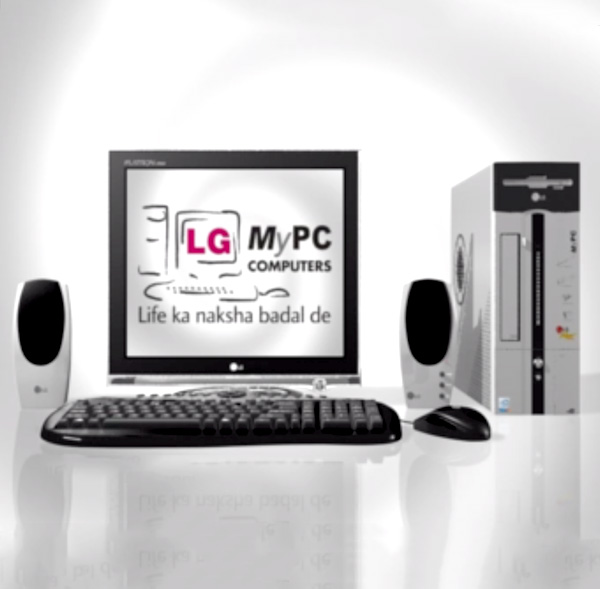
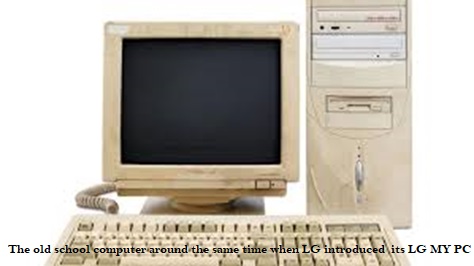
LG My Pc Computer– This was during the period of 2001-2003 in India when computers and PCs were becoming popular in the country and different brands were allowed to enter the country due to LPG (Liberalisation, Privatisation, and Globalisation). During this time brands like LG, Compaq, and IBM came into the Indian market as computer brands. The CPU cabinet in those days used to be a big box of steel with normal looks and all these brands followed the same trend without giving importance to the looks of the computer. It was LG which brought in its brand LG My PC Computer where the CPU cabinet was very sleek, beautiful, and appealing in its look and the whole system was of new trendy looks. This was the first brand to do so and it was very popular. This was later followed by other brands. LG was not able to continue in this field but what you see today is the beautiful looks of the PCs that were brought in by LG.
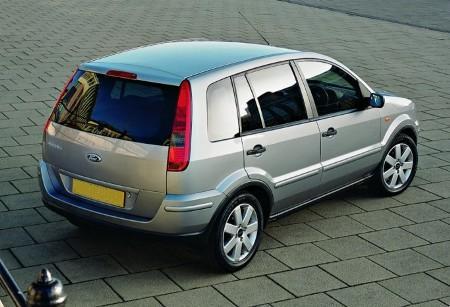
Ford Fusion– This vehicle Ford Fusion was launched in India in 2004 as a crossover between hatchback and SUV (Company called it MPV). This car was the right product but much before its time and was actually a real compact SUV of today’s time. This was introduced as a competitor to Tata Indigo Marina for the families opting for long road trips with much more space and luxury. People were not able to judge the product properly and as already mentioned it was much before its time. The car was discontinued in early 2010 and its replacement was brought in as the Ford Figo which was a hatchback. This car could have been a good competitor for Maruti Suzuki’s S Cross in today's time.
AIR DECCAN– Air Deccan was the first low-cost carrier in India launched in 2003. During this time traveling by flight was just a dream for the middle class. During the time when only were full-service carriers were operating, this company brought in the concept of the low-cost carrier, where tickets cost around 30% less than those of full-service airlines. This company grew rapidly and seeing this trend, new low-cost airlines emerged such as Indigo, Spicejet, etc. The company’s founder, Mr. G.R.Gopinath, was focused on its goal and was working every day on it. But suddenly in 2007 Kingfisher, a full-service airline, proposed to buy 26% of the company’s share where Mr.Gopinath initially was not ready, but due to huge losses faced in the previous financial year, he agreed upon the new deal to be acquired in the needs of necessary funds to be infused in the company. The fate of Kingfisher Airlines is well known, but Mr. Gopinath started the second inning of Air Deccan in 2017 through the initiative of UDAN where his airlines won the tender for major airports. So Deccan was the one who brought in the concept of the low-cost airlines in India.

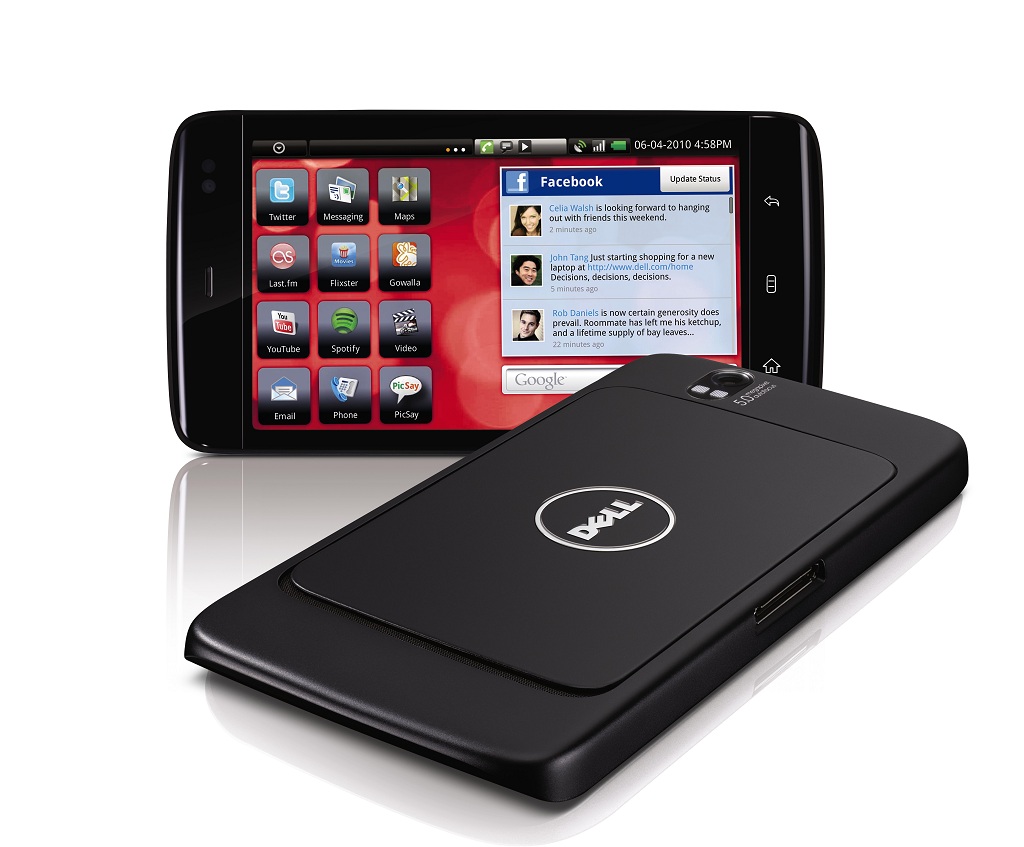
Dell Streak– Dell Streak was launched during 2010-2011 when we had Blackberry, HTC, and Apple in this segment normally considered for the cellphone for the Elite & Business class. It was in the price band of Rs 10000- Rs 15000 so that you could do everything you did on a Dell laptop. This was the time when Nokia was at its peak with its great keypad phones under RS. 10000. The people who required mail bought Blackberry or if they wanted to be something better than it was HTC. This was the phone which brought in the concept of the smartphone but did not work out due to being too advanced for the period as well as too early for its time. Just 2 years later, Samsung was successful in this sector with the Galaxy series soon to be followed by the ushering in of the smartphones Gen, where the trend was started by someone else.
Orkut- The first-ever social networking site started in 2004 by Google for connecting people together and even to unknown individuals who were not of the same country. It very soon caught a huge audience as each member could become a fan of any of the friends on their list and also evaluate whether their friend is “Trustworthy”, “Cool”, “Sexy” on a scale of 1 to 3 (marked by icons), which was aggregated as a percentage. Each member was also able to customize their profile preferences and restrict the information that appears on their profile from their friends and/or others. Another feature was that any member can add any other member on Orkut to his/her “Crush List”. It was the most visited site in India and Brazil in 2008. During that time another social networking site was also growing rapidly Facebook, but still under the name FaceMash. Initially, the site was often compared to Hot or Not and used “photos compiled from the online Facebooks of Harvard, placing two people next to each other at a time and asking users to choose the “hotter” person”. Then after many changes and updates, it was not just for his college mates to stay connected with each other but for the whole world. Facebook over the years was much ahead of Orkut with better features and options where the trendsetter lost its charismatic effect and had to shut down in 2014.
Jai Hind
Akshansh Vidyarthy
Please share your view