

How effective are traditional aptitude tests in predicting long-term employee success? The answer might surprise you. Despite decades of reliance on standardized testing, many Indian employers are discovering a critical mismatch between high-scoring candidates and actual workplace performance. AI-powered candidate assessments are revolutionizing how organizations evaluate talent by going beyond traditional cognitive testing. While aptitude tests focus primarily on logical reasoning, quantitative skills, and verbal comprehension, they fail to capture the nuanced traits that define exceptional employees in today's dynamic workplace: drive, adaptability, cultural alignment, and resilience. Modern hiring managers are increasingly turning to AI-powered candidate assessments to bridge this gap, using advanced behavioral analysis and adaptive technology to identify candidates who will not just perform well academically, but thrive in real workplace environments.
What are AI-Powered Candidate Assessments in Campus Hiring?
AI-powered candidate assessments create dynamic, role-targeted evaluations that go beyond traditional testing methods. Unlike static aptitude tests, these behavioral AI assessments use adaptive technology to evaluate candidates on behavioral traits, cultural fit, and role-specific competencies through scenario-based simulations and challenge-based tasks lasting 30-40 minutes.
Why Traditional Aptitude Tests Fall Short for Modern Hiring
Limited Scope of Evaluation
Traditional aptitude tests operate within rigid frameworks that assess only academic intelligence. They cannot measure:
- Drive and hunger for growth: The internal motivation that separates high performers from average employees
- Learning agility: How quickly candidates adapt to new technologies, processes, or market changes
- Original thinking: The creativity needed for innovation and problem-solving in ambiguous situations
- Cultural adaptability: Whether a candidate will thrive in your organization's specific environment
- Resilience under pressure: How candidates handle setbacks, criticism, and high-stress situations
One-Size-Fits-All Approach
Aptitude tests use standardized questions regardless of role requirements. A marketing role demands different competencies than an engineering position, yet traditional tests apply identical evaluation criteria across functions.
How Do AI-Powered Candidate Assessments Outperform Traditional Methods?
1. Behavioral Science Integration
AI-powered candidate assessments leverage behavioral psychology to create realistic workplace scenarios. Instead of abstract logical puzzles, candidates navigate situations they'll actually encounter:
- Handling difficult client conversations
- Managing conflicting priorities under tight deadlines
- Collaborating with diverse team members
- Making decisions with incomplete information
2. Adaptive Assessment Technology
What makes adaptive assessments for hiring better than traditional campus case study competitions? They deliver role-specific, scenario-led tasks mapped to real workplace skills, improving quality of hire and fairness. The AI adapts question difficulty and focus areas based on real-time candidate responses, creating personalized evaluation experiences.
3. Multi-Dimensional Scoring
Unlike aptitude tests that produce single numerical scores, AI-powered candidate assessments evaluate candidates across multiple dimensions:
Traditional Aptitude Test vs. AI-Powered Candidate Assessment:
| Traditional Aptitude Test | AI-Powered Candidate Assessment |
|---|---|
| Single intelligence score | Multi-metric evaluation across 5-7 traits |
| Static, pre-defined questions | Dynamic, AI-tailored scenarios |
| Generic across all roles | Role-specific customization |
| Manual scoring is prone to bias | Automated, bias-reduced evaluation |
| Limited behavioral insights | Deep behavioral and cultural analysis |
Key Advantages of AI-Powered Candidate Assessments
Enhanced Predictive Accuracy
Predictive hiring assessments have shown significantly higher correlation with long-term employee success. By evaluating drive, adaptability, and cultural fit alongside cognitive abilities, these tools provide holistic candidate profiles that traditional tests cannot match.
Real-Time Adaptability
Adaptive assessments for hiring adjust in real-time based on candidate responses. If a candidate demonstrates strong analytical skills early in the assessment, the AI introduces more complex scenarios to better gauge their upper limits and specialized competencies.
Reduced Hiring Bias
Role-based AI assessment platforms minimize unconscious bias by focusing on behavioral responses rather than demographic indicators. The technology evaluates how candidates think and problem-solve, not where they studied or their background.
Immediate, Actionable Insights
Modern behavioral AI assessments generate instant, downloadable reports with detailed breakdowns of candidate strengths, development areas, and role compatibility. This enables faster decision-making and provides valuable feedback to candidates regardless of hiring outcomes.
Role-Based AI Assessment Platform Benefits
Function-Specific Evaluation
AI-powered candidate assessments can be customized for different roles:
- Sales positions: Focus on persuasion, resilience, and relationship-building scenarios
- Technical roles: Emphasize problem-solving, learning agility, and collaboration under pressure
- Leadership tracks: Evaluate decision-making, emotional intelligence, and strategic thinking
- Creative functions: Assess original thinking, adaptability, and innovation potential
Cultural Alignment Measurement
Can AI assess drive, grit, and learning agility? Yes, here's how: Through carefully designed behavioral scenarios, AI evaluates how candidates respond to challenges that mirror your organization's specific cultural values and operational realities.
Implementation Success Stories
Leading employers are already experiencing significant improvements with predictive hiring assessments. Companies using skills-based hiring platforms reported a 15% improvement in employee retention rates compared to traditional hiring methods (LinkedIn Global Talent Trends 2025), while companies using AI-powered candidate assessments report 46% faster hiring cycles (HR Technology Market Analysis 2024).
Real-World Impact: TAS Custom AI Assessment Campaign
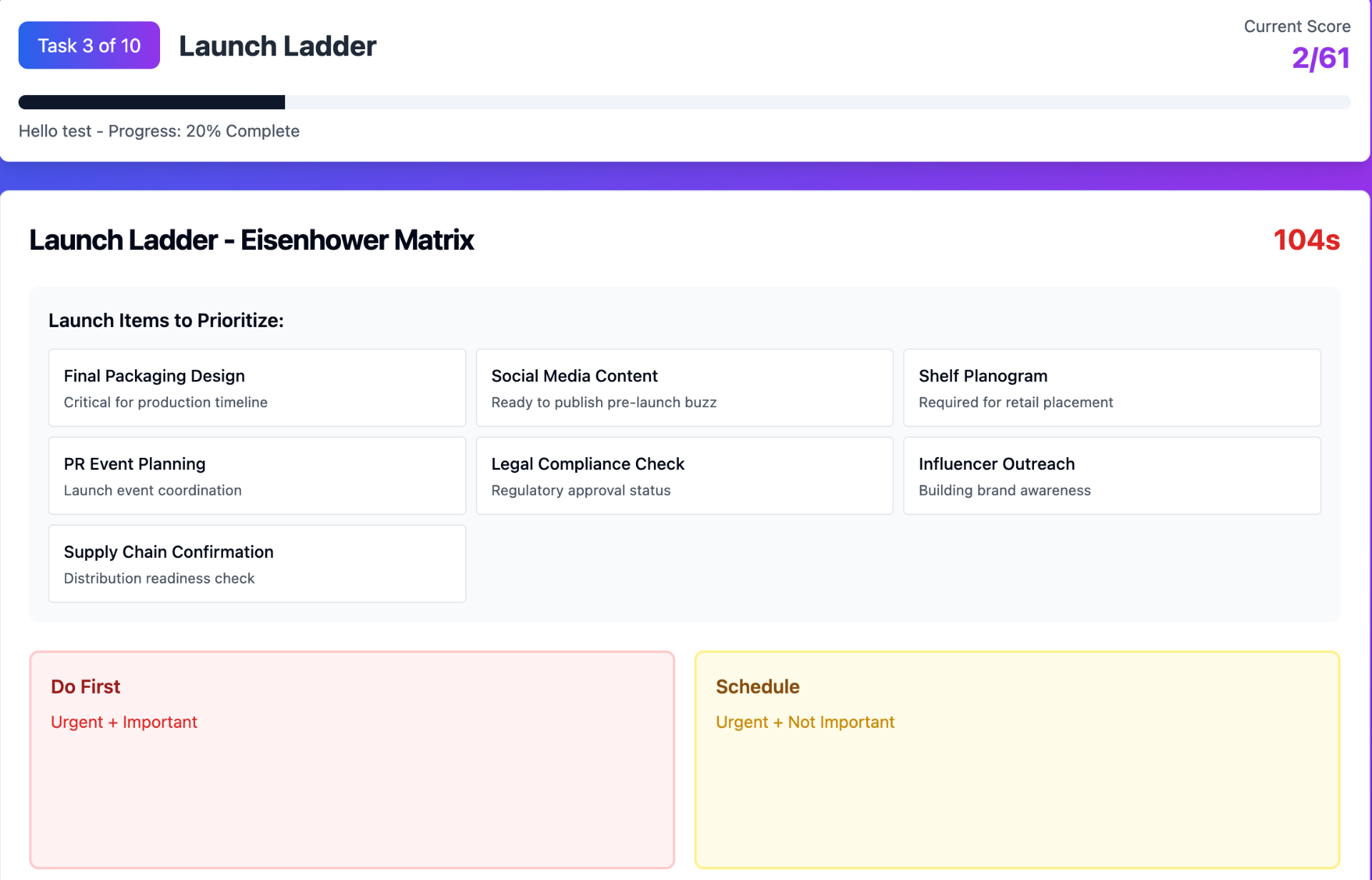
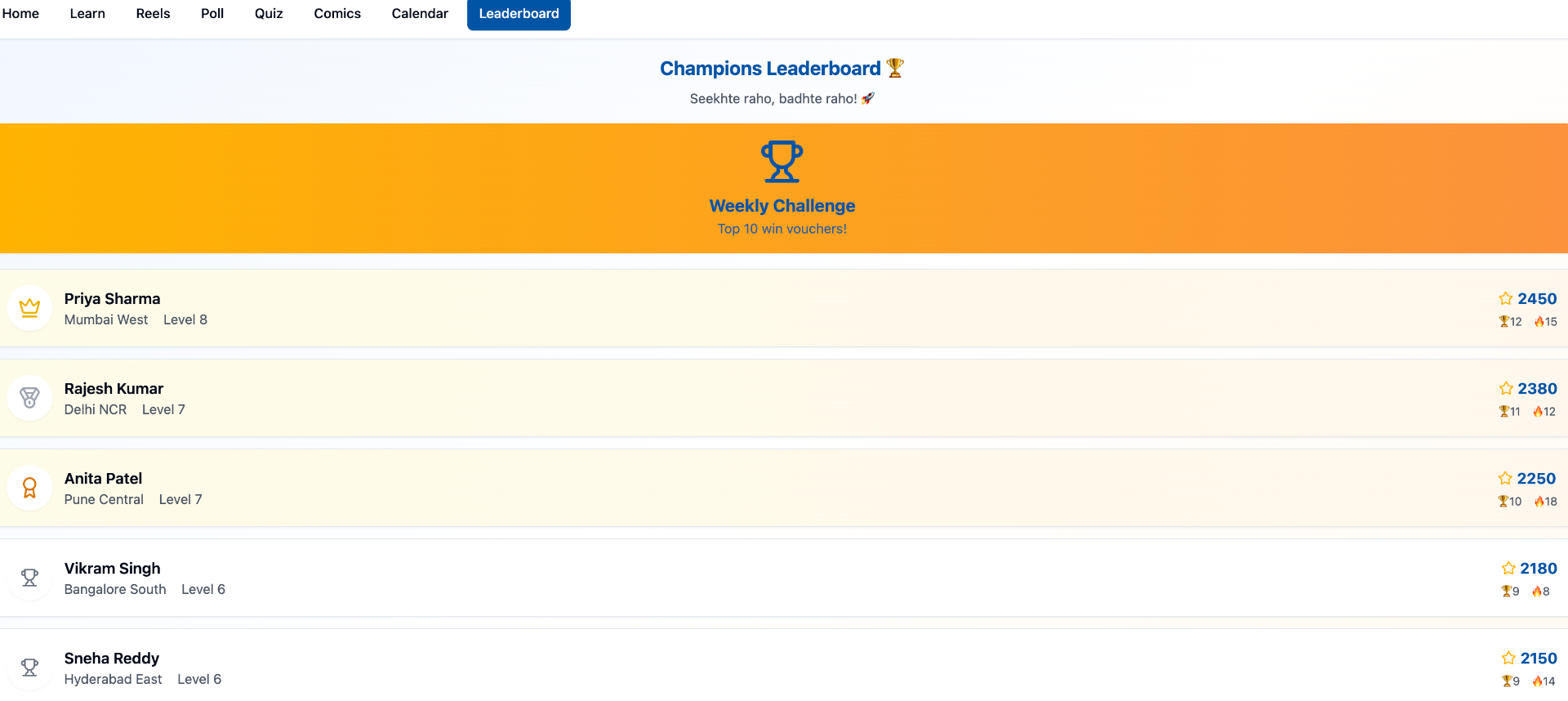
TAS successfully leveraged custom AI assessments to build an early pipeline of high-quality MBA talent for their Summer Internship Program, reaching nearly 3,000 MBA candidates from target schools through a tailored business simulation. Their customized assessment campaign generated 2,967 registrations in 2025, demonstrating how AI-driven evaluations can effectively engage and evaluate large candidate pools before traditional placement seasons begin.
The technology particularly excels in campus hiring scenarios where large volumes of candidates need efficient, fair evaluation that goes beyond academic performance indicators.
Moving Beyond Traditional Assessment Methods
The shift from aptitude tests to AI-driven assessments represents a fundamental evolution in how organizations identify and develop talent. As AI continues to evolve, 95% of hiring managers anticipate increased investment in AI to optimize recruitment further (Deloitte Future of Work Report 2024), while companies using AI-powered assessments report 46% faster hiring cycles (HR Technology Market Analysis 2024). Rather than relying on narrow cognitive metrics, forward-thinking employers now evaluate the complete candidate profile, combining intelligence with behavioral traits that drive long-term success.
For hiring managers seeking to improve the quality of hire while reducing time-to-decision, AI-powered candidate assessments offer a scientifically backed alternative to outdated evaluation methods.
Conclusion: The Future of Campus Assessment
Traditional aptitude tests served their purpose in an era of predictable career paths and stable job requirements. Today's dynamic workplace demands assessment tools that can evaluate adaptability, cultural fit, and growth potential alongside cognitive abilities.
AI-powered candidate assessments provide the comprehensive evaluation framework that modern hiring demands—combining behavioral science, adaptive technology, and role-specific customization to identify candidates who will not just perform, but thrive in your organization's unique environment.
Ready to transform your campus hiring with custom AI assessments? Contact us at hiral.sanghavi@insideiim.com or +91-9769476005 to discuss how we can create tailored solutions for your organization's unique requirements.