
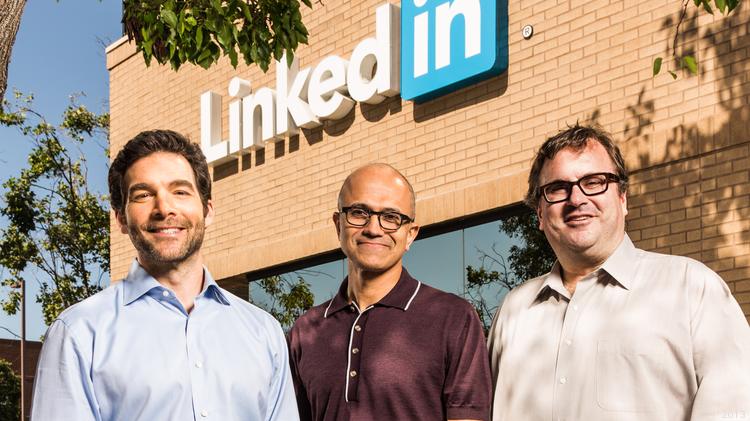
Microsoft Acquires LinkedIn – How These Planets Could Align - Mahesh Murthy's Analysis
When I first heard about this merger, it was surprising, but on giving it a little thought, it made a significant bit of sense.
Edgar Stephens
When I first heard about this merger, it was surprising, but on giving it a little thought, it made a significant bit of sense.

Many new investors entering into stock markets have a common question – What approach should I have? Should I start with a ‘big picture’ i.e. economy, GDP growth rates, interest rates, currency rate, commodity prices, inflation etc which can affect broader stock markets which eventually will affect the price of an individual stock or should I start directly with a company without much concerns about the overall economy? The first approach of investing is called as “Top Down Approach” while the latter is “Bottom Up Approach”. Top Down Approach – Top down approach starts with analysing macro level events like global economy, GDP rates, currency and commodity prices like gold & crude oil, interest rates, inflation. After analysing these macro factors different sectors and industries are selected which are most likely to be benefited due to current and forecasted future macro-economic conditions. After shortlisting the sectors and industries, stocks are shortlisted which can be most benefited in current and forecasted future scenario.

To begin with, what is the difference between "IIM-Bodh Gaya as a dream destination" & "IIM- Bodh Gaya as a place where you wake up everyday"?
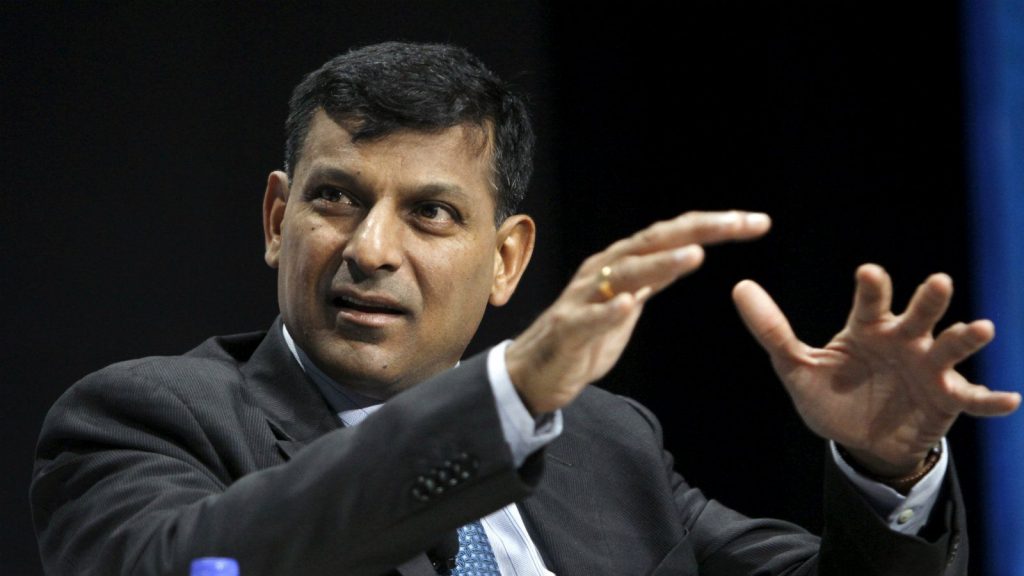
No prizes for guessing what the Reserve Bank of India (RBI) governor Raghuram Rajan will do when he unveils the bi-monthly monetary policy on Tuesday.
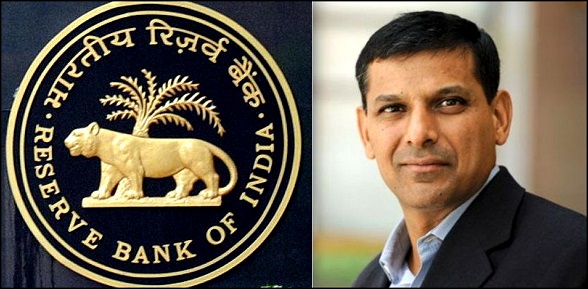
These days Sensex and Nifty trigger more to Dr Raghuram Rajan’s future than to stock prices. His future is uncertain. Is he going to continue as the Governor of the Reserve Bank of India? Probably, it is a million-dollar question in everyone’s mind, particularly investors’. The fact is that this uncertainty is going to prevail till near September, when the incumbent Government decides his fate. Actually, it is not only his fate which is at stake but Indian economy's too.

The Eurozone has been dealing with more than its fair share of crises from the Greek bailout to the recent immigration crisis but the exit of a major player like the UK will definitely have long lasting consequences for the EU. UK is the second major economy in the EU and the 6th most competitive European economy. It also has a strong financial and legal environment as well as a strong currency. A Brexit will not only lead to loss of credibility for the Eurozone but a trade restructuring by both parties.

“I never attempt to make money on the stock market. I buy on the assumption that they could close the market the next day and not reopen it for five years.” –Warren Buffet
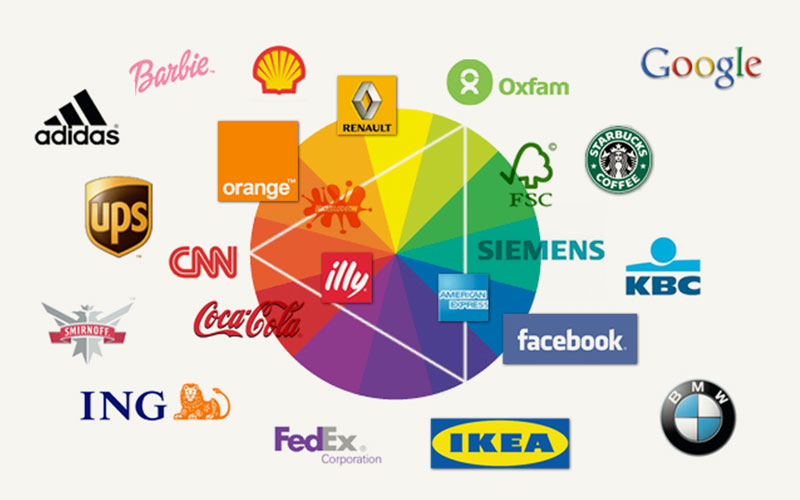
The study of color psychology can greatly help a designer to create not just beautiful but also a profitable product. Using colors in harmony with each other, you can greatly affect a visitor’s behavioral patterns. Color is as important as text: when combined masterfully, these two tools can ease the perception of the image and contribute to better memorability; when the combination is wrong, the outcome may be funny and awkward like this.
When I first heard about this merger, it was surprising, but on giving it a little thought, it made a significant bit of sense.
Many new investors entering into stock markets have a common question – What approach should I have? Should I start with a ‘big picture’ i.e. economy, GDP growth rates, interest rates, currency rate, commodity prices, inflation etc which can affect broader stock markets which eventually will affect the price of an individual stock or should I start directly with a company without much concerns about the overall economy? The first approach of investing is called as “Top Down Approach” while the latter is “Bottom Up Approach”. Top Down Approach – Top down approach starts with analysing macro level events like global economy, GDP rates, currency and commodity prices like gold & crude oil, interest rates, inflation. After analysing these macro factors different sectors and industries are selected which are most likely to be benefited due to current and forecasted future macro-economic conditions. After shortlisting the sectors and industries, stocks are shortlisted which can be most benefited in current and forecasted future scenario.
To begin with, what is the difference between "IIM-Bodh Gaya as a dream destination" & "IIM- Bodh Gaya as a place where you wake up everyday"?
No prizes for guessing what the Reserve Bank of India (RBI) governor Raghuram Rajan will do when he unveils the bi-monthly monetary policy on Tuesday.
These days Sensex and Nifty trigger more to Dr Raghuram Rajan’s future than to stock prices. His future is uncertain. Is he going to continue as the Governor of the Reserve Bank of India? Probably, it is a million-dollar question in everyone’s mind, particularly investors’. The fact is that this uncertainty is going to prevail till near September, when the incumbent Government decides his fate. Actually, it is not only his fate which is at stake but Indian economy's too.
The Eurozone has been dealing with more than its fair share of crises from the Greek bailout to the recent immigration crisis but the exit of a major player like the UK will definitely have long lasting consequences for the EU. UK is the second major economy in the EU and the 6th most competitive European economy. It also has a strong financial and legal environment as well as a strong currency. A Brexit will not only lead to loss of credibility for the Eurozone but a trade restructuring by both parties.
“I never attempt to make money on the stock market. I buy on the assumption that they could close the market the next day and not reopen it for five years.” –Warren Buffet
The study of color psychology can greatly help a designer to create not just beautiful but also a profitable product. Using colors in harmony with each other, you can greatly affect a visitor’s behavioral patterns. Color is as important as text: when combined masterfully, these two tools can ease the perception of the image and contribute to better memorability; when the combination is wrong, the outcome may be funny and awkward like this.