
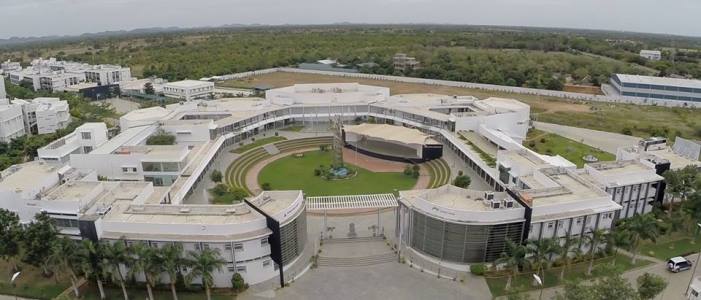
Great Lakes Announces Admission For Its One Year Post Graduate Program in Management (PGPM) 2016-17
Great Lakes Institute of Management, Chennai, announced the admissions open for its flagship One Year full time Post Graduate Program in Management (PGPM) which will commence in April 2016. Great Lakes’ PGPM has been consistently ranked in the top 10 one year MBA program in the country. In 2014 the program was ranked 7th by both Outlook India and Business Today. There will be two cycles of admission and the deadlines for applying are 30th November & 31st January respectively. Students need to have at least 2 years of experience by 31st March, 2016 for applying and should have valid GMAT/CAT/XAT/CMAT scores. Candidates meeting the eligibility criteria can apply online on the institute’s website www.greatlakes.edu.in.
Great Lakes Institute of Management