Academics

1,698 articles
Page 93 of 213
Threats To The Indian Banking Industry

Threats To The Indian Banking Industry

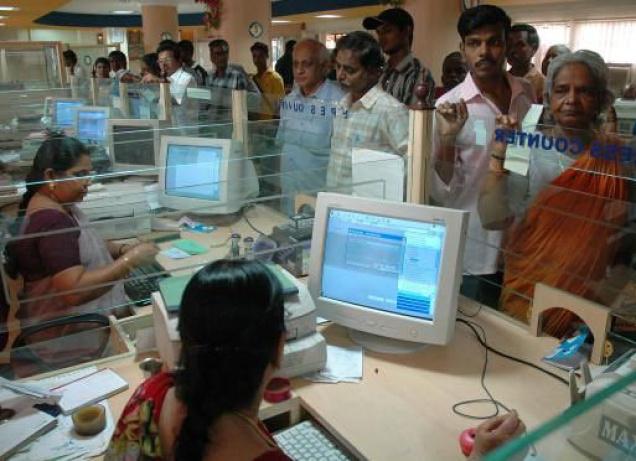
As the Indian financial sector is largely bank-centric, the performance of the banking sector is crucial in the development process of the economy. As per KPGM-CII report, India’s banking sector has the potential to become the fifth largest banking industry in the world by 2020. However, there are some serious threats this sector will be facing in the next 3-4 years. The article lists down the most important ones of them in detail.

Vaishnavi Adapa
The What And Why Of Microsoft Acquiring LinkedIn

The What And Why Of Microsoft Acquiring LinkedIn

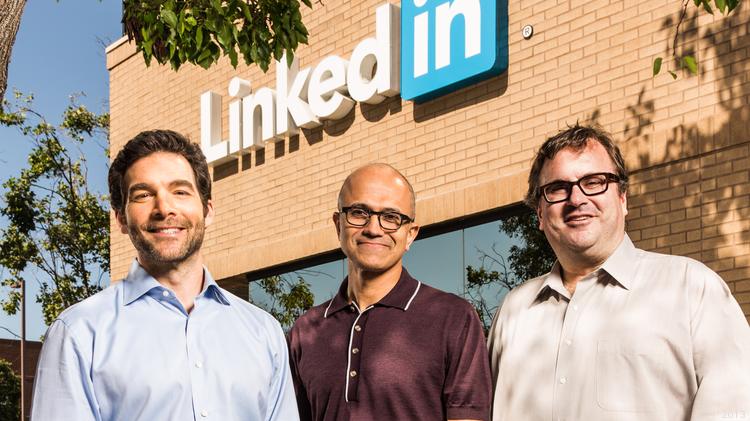
A simple way to assess any potential acquisition target, is to ask these two questions - “Is it valuable?” and “Is the price right?”. If the answer to both questions is “Yes”, then it makes sense to buy.

Shyam Sunder Ramakrishnan
Should You Air Grievances Via Paid Ads? - Views From Prabhakar

Should You Air Grievances Via Paid Ads? - Views From Prabhakar

A recent phenomenon with several large Indian promoters has been to air their grievances with paid ads in the Media. Whilst the best way to fight out a battle in the press is through editorial, unfortunately, many Indian promoters finally seem to resort to paid ads in the media. Mr Subrata Roy of Sahara was quite well known to bring out a full page or on occasion double spread ads in the mainline newspapers, almost signed off by him.

Prabhakar Mundkur
E-Wallets - The Future Ahead, Post Demonetisation

E-Wallets - The Future Ahead, Post Demonetisation

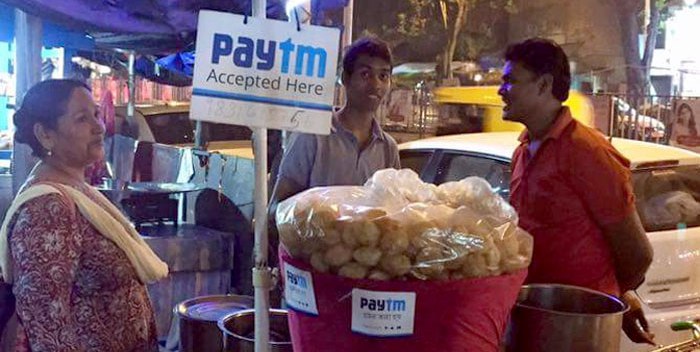
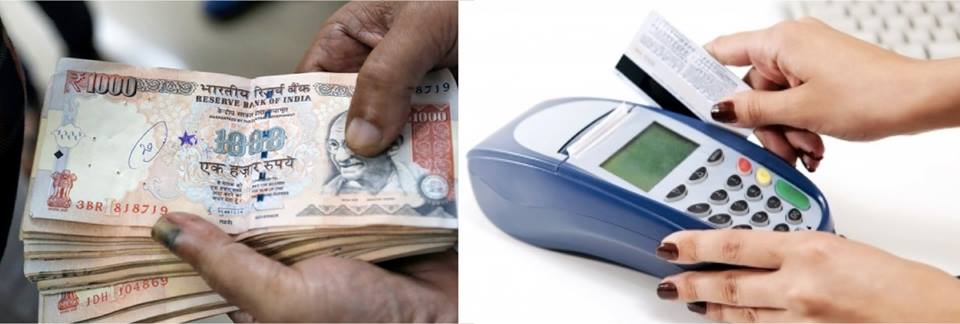
With the introduction of demonetization, one good thing that has happened is the adoption of cashless transactions. With the ban of 500 and 100 Rs denominations, 86% of cash in the economy is defunct for trade. E- Wallet companies realise they have struck a gold mine and are pushing hard for consumers to adopt their service. The cashless transaction is important for the economy since it helps curb black money and brings accountability. This helps the government to formulate better policies by able to leverage data analytics. It would also help the government get taxes as well as reliable consumption data, which even the private sector can use to reduce waste. This mode of transaction is also time-saving and also saves other resources such as space and physical infrastructure.

Niteen Bali