Adidas' Image Problem - Strategy with RS
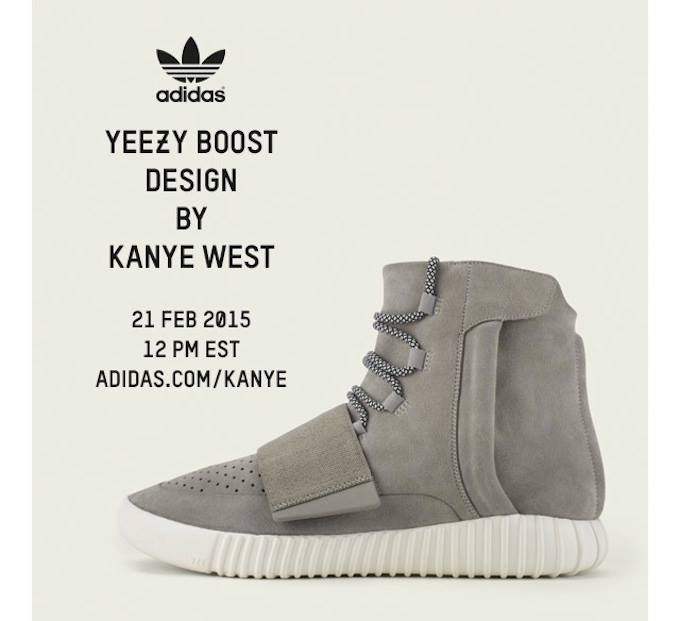
Adidas dominance of the sports market is under threat. Its sales is slowing down & Nike's sale it is galloping at a rapid pace.
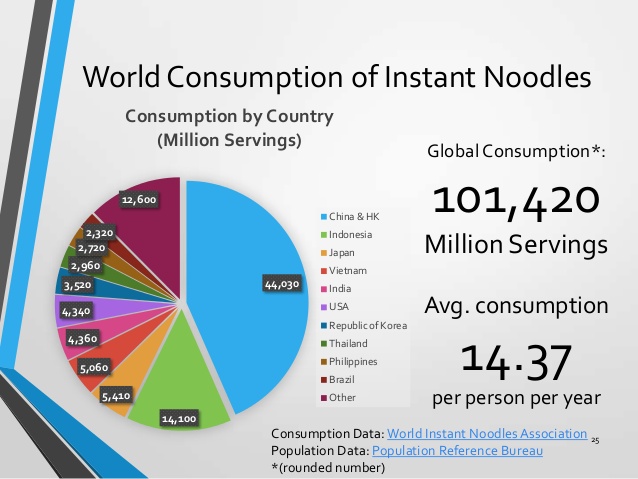
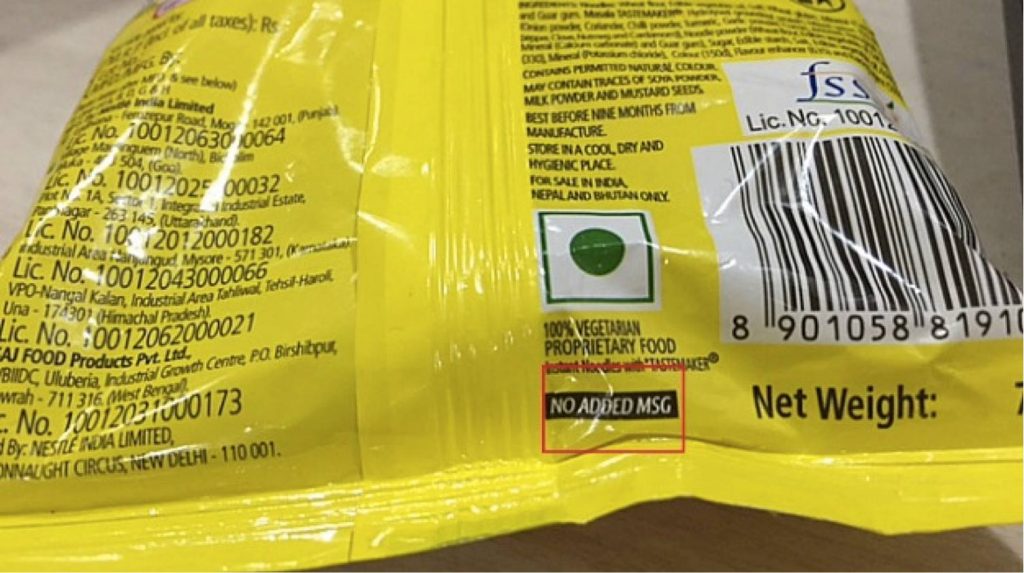
For the past few days, Nestle's flagship instant noodles brand "Maggi" has been in the news for all the wrong reasons. No doubt the brand's reputation has taken a serious hit and it takes some time for the brand to regain the trust of consumers. (Reputation Vs. Reality – How Brand Maggi can Sail Through The Controversy). As the controversy snowballed, the company did the right thing (in the interest of the brand or consumer's safety) by pulling the brand off the shelves to prevent further damage to the brand's reputation . ( Nestle takes Maggi off the shelves, says 'will be back in markets soon'). This is similar to what J&J did to Tylenol brand back in 1982. (Tylenol made a hero of Johnson & Johnson : The recall that started them all) Let me run some numbers for you to decipher the implications of this controversy on brand Maggi (at least in the short term). The instant noodles market is estimated at about INR 3000 crore. According to euro monitor report Noodles in India, Maggi is still the market leader with a market value share of 63 per cent. A report of World Instant Noodles Association says, India is the world's fifth largest consumer of Instant noodles. The category has also seen the entry of newer players (HUL's Knorr Soupy Noodles, IndoNissin's Top Ramen, GSK's Horlicks Foodles and ITC's Yippe! instant noodles ) intensifying the competition and some even challenging Maggi's market leadership position. For instance, Indian conglomerate ITC which launched its Instant noodles brand Sunfeast Yippe! in the year 2010 garnered an impressive 15 per cent market share in just few years of its launch. (ITC’s premium gallery) Will there be a shift in the loyalty of consumers to Yippe! brand or any other brand for that matter? All these years Maggi had successfully defended its turf. Will the current controversy shift the equation? Might be.... only if the brand is not prepared to fight back and win customers trust back. By the way all is not lost for the Maggi brand as I still see lot of support from hard core brand loyalist even after the controversy. It would be mighty interesting to do a sensitivity analysis and see how the numbers pan out under different scenarios. According to analysts, Maggi contributes over 20 per cent to Nestle's revenues.What might be the impact of 2 or 3 per cent loss of market share on the revenue? (at least in the short term, hoping that Nestle would soon overcome this controversy) Now a complete U turn. The whole issue boils down to health and safety. MSG and Lead is the major culprit here. I was going through US FDA ( (Food and Drug Administration ) website and found this. Questions and Answers on Monosodium glutamate (MSG) Is MSG safe to eat? FDA considers the addition of MSG to foods to be “generally recognized as safe” (GRAS). Although many people identify themselves as sensitive to MSG, in studies with such individuals given MSG or a placebo, scientists have not been able to consistently trigger reactions. How is it made? MSG occurs naturally in many foods, such as tomatoes and cheeses. People around the world have eaten glutamate-rich foods throughout history. For example, a historical dish in the Asian community is a glutamate-rich seaweed broth. In 1908, a Japanese professor named Kikunae Ikeda was able to extract glutamate from this broth and determined that glutamate provided the savory taste to the soup. Professor Ikeda then filed a patent to produce MSG and commercial production started the following year. Today, instead of extracting and crystallizing MSG from seaweed broth, MSG is produced by the fermentation of starch, sugar beets, sugar cane or molasses. This fermentation process is similar to that used to make yogurt, vinegar and wine. Hang on! Don't bash me. I am not looking for confirmatory evidence to back my belief on MSG or support adding MSG beyond permissible limits. My intention is only to dispel some of our misconceptions about MSG. A study commissioned by International Food Information Council Foundation says that Consumers prefer taste over health in foods (Consumers Prefer Taste Over Health in Foods.) Another study says that health campaign fails to help obesity cases as people make their eating choices based on taste and tend to avoid healthy food due to the same. Obesity campaigns fail because people choose taste over health. I am not suggestive of prioritizing taste over health by any means. But i strongly believe that labeling should have better information about the product and its ingredients so that people can make informed decisions about what they consume and its effects. Nestle's Maggi row makes me think....... What about Indian cars? Are they safe for us or our family members? Test results of some popular cars in India selected by Global NCAP (New Car Assessment Programme) have shown high level of life threatening injuries. Most of the popular cars fail the crash test. As the report says, Indian government does not require vehicles to meet UN regulations for occupant's protection in frontal crashes and side impacts. Read IIHS Status Report: tests show how cars sold in India fall short on safety. The report went on to say that structural integrity of some of the cars are so bad that even putting an airbag would not be effective. This is just one among many in the list ............ Let us begin cleansing........
One of the worst nightmares that can happen for any brand be it a corporate brand, people brand or a product/service brand is when its reputation takes a beating. The significance of building and managing reputation of a brand cannot be undermined as good reputation of a brand (through the eyes of stakeholders) affects company's profitability, sustainability and loyalty.
This week on Shreyas recommends - Why India arrested Pakistan's spy pigeon, The FIFA Saga and the life and work of John Nash. Also, read about India TV News channel and how cigarette butts can help store energy and also cure dengue.
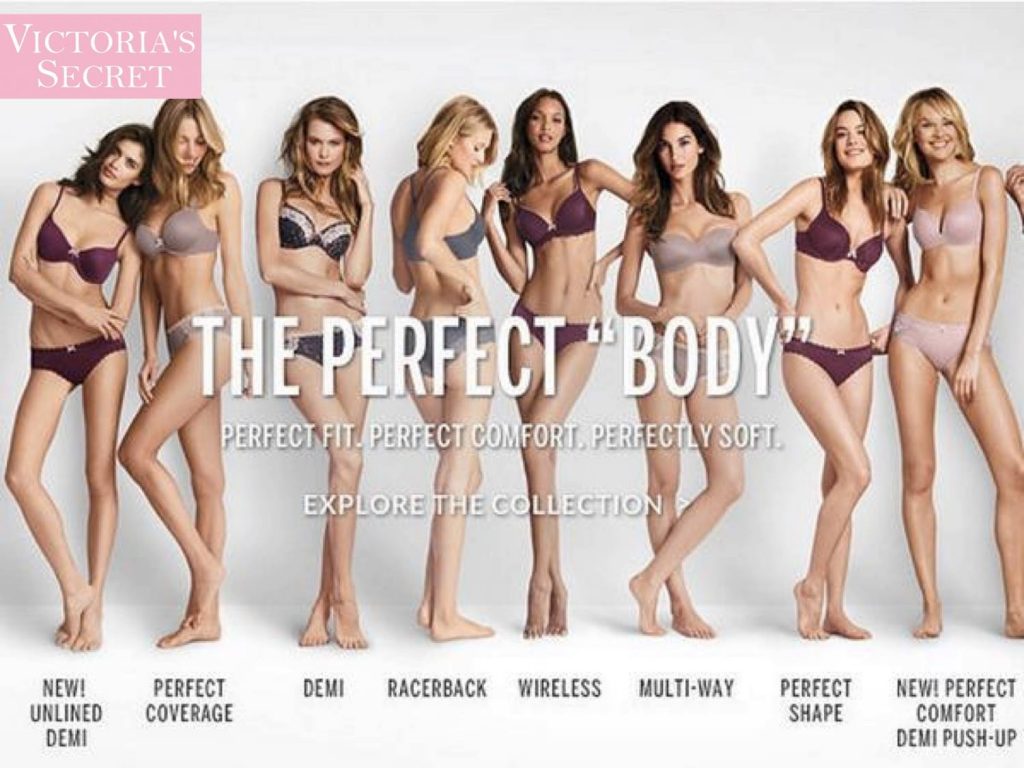
Womens' view about themselves is changing at a brisk pace. They are confident & desire to be their real self all the time. Regrettably many brands are not keeping pace with this reality. Result: women are rejecting these insensitive brands resulting in loss of business for them.
A case has been lodged against Nestle India in a local court over safety standards of its Maggi product. FSDA had found monosodium glutamate and lead in excess of the prescribed limit in samples tested by it. If this was not bad enough another set of cases have been filed against actors Amitabh Bachchan, Madhuri Dixit and Preity Zinta for promoting the brand which is been found to be harmful for public health. With the cine stars drawn into the arena the spotlight on the controversy will be more intense & protracted.
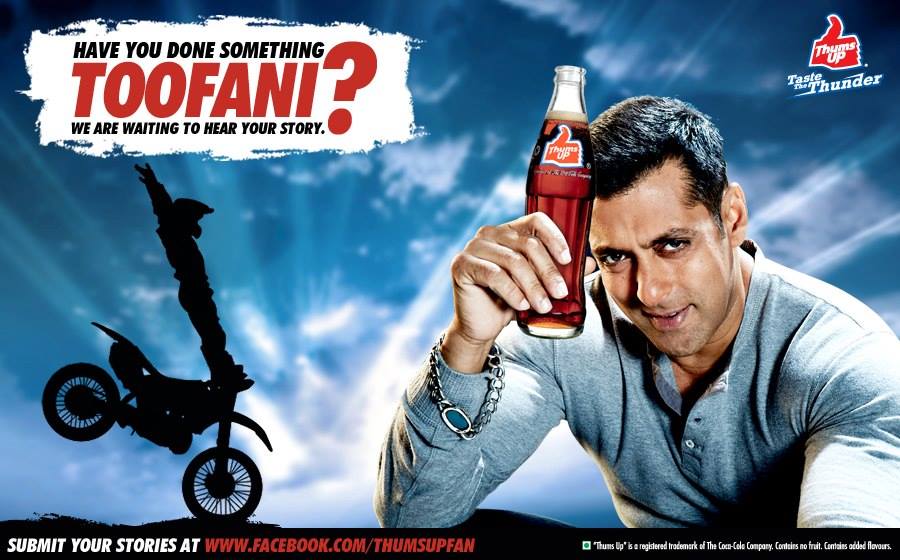
The trailer of Salman’s next film Bajrangi Bhaijaan released recently and in a short span of time accrued lakhs of views. I saw it too and I pose this question to you - if Salman Khan was endorsing your brand would you drop him from your campaign? I would.

Let’s look at the statistics. Only 30 million out of 250 million internet users (12%) are shopping online despite being lured with heavy discounts, mouth watering promotional schemes and ‘Cash on Delivery’. There must be ‘pain' experienced by customers that must be stopping them from participating in the party. Unfortunately these paint points reside within the business model created by the 'biggies'!
Adidas dominance of the sports market is under threat. Its sales is slowing down & Nike's sale it is galloping at a rapid pace.
For the past few days, Nestle's flagship instant noodles brand "Maggi" has been in the news for all the wrong reasons. No doubt the brand's reputation has taken a serious hit and it takes some time for the brand to regain the trust of consumers. (Reputation Vs. Reality – How Brand Maggi can Sail Through The Controversy). As the controversy snowballed, the company did the right thing (in the interest of the brand or consumer's safety) by pulling the brand off the shelves to prevent further damage to the brand's reputation . ( Nestle takes Maggi off the shelves, says 'will be back in markets soon'). This is similar to what J&J did to Tylenol brand back in 1982. (Tylenol made a hero of Johnson & Johnson : The recall that started them all) Let me run some numbers for you to decipher the implications of this controversy on brand Maggi (at least in the short term). The instant noodles market is estimated at about INR 3000 crore. According to euro monitor report Noodles in India, Maggi is still the market leader with a market value share of 63 per cent. A report of World Instant Noodles Association says, India is the world's fifth largest consumer of Instant noodles. The category has also seen the entry of newer players (HUL's Knorr Soupy Noodles, IndoNissin's Top Ramen, GSK's Horlicks Foodles and ITC's Yippe! instant noodles ) intensifying the competition and some even challenging Maggi's market leadership position. For instance, Indian conglomerate ITC which launched its Instant noodles brand Sunfeast Yippe! in the year 2010 garnered an impressive 15 per cent market share in just few years of its launch. (ITC’s premium gallery) Will there be a shift in the loyalty of consumers to Yippe! brand or any other brand for that matter? All these years Maggi had successfully defended its turf. Will the current controversy shift the equation? Might be.... only if the brand is not prepared to fight back and win customers trust back. By the way all is not lost for the Maggi brand as I still see lot of support from hard core brand loyalist even after the controversy. It would be mighty interesting to do a sensitivity analysis and see how the numbers pan out under different scenarios. According to analysts, Maggi contributes over 20 per cent to Nestle's revenues.What might be the impact of 2 or 3 per cent loss of market share on the revenue? (at least in the short term, hoping that Nestle would soon overcome this controversy) Now a complete U turn. The whole issue boils down to health and safety. MSG and Lead is the major culprit here. I was going through US FDA ( (Food and Drug Administration ) website and found this. Questions and Answers on Monosodium glutamate (MSG) Is MSG safe to eat? FDA considers the addition of MSG to foods to be “generally recognized as safe” (GRAS). Although many people identify themselves as sensitive to MSG, in studies with such individuals given MSG or a placebo, scientists have not been able to consistently trigger reactions. How is it made? MSG occurs naturally in many foods, such as tomatoes and cheeses. People around the world have eaten glutamate-rich foods throughout history. For example, a historical dish in the Asian community is a glutamate-rich seaweed broth. In 1908, a Japanese professor named Kikunae Ikeda was able to extract glutamate from this broth and determined that glutamate provided the savory taste to the soup. Professor Ikeda then filed a patent to produce MSG and commercial production started the following year. Today, instead of extracting and crystallizing MSG from seaweed broth, MSG is produced by the fermentation of starch, sugar beets, sugar cane or molasses. This fermentation process is similar to that used to make yogurt, vinegar and wine. Hang on! Don't bash me. I am not looking for confirmatory evidence to back my belief on MSG or support adding MSG beyond permissible limits. My intention is only to dispel some of our misconceptions about MSG. A study commissioned by International Food Information Council Foundation says that Consumers prefer taste over health in foods (Consumers Prefer Taste Over Health in Foods.) Another study says that health campaign fails to help obesity cases as people make their eating choices based on taste and tend to avoid healthy food due to the same. Obesity campaigns fail because people choose taste over health. I am not suggestive of prioritizing taste over health by any means. But i strongly believe that labeling should have better information about the product and its ingredients so that people can make informed decisions about what they consume and its effects. Nestle's Maggi row makes me think....... What about Indian cars? Are they safe for us or our family members? Test results of some popular cars in India selected by Global NCAP (New Car Assessment Programme) have shown high level of life threatening injuries. Most of the popular cars fail the crash test. As the report says, Indian government does not require vehicles to meet UN regulations for occupant's protection in frontal crashes and side impacts. Read IIHS Status Report: tests show how cars sold in India fall short on safety. The report went on to say that structural integrity of some of the cars are so bad that even putting an airbag would not be effective. This is just one among many in the list ............ Let us begin cleansing........
One of the worst nightmares that can happen for any brand be it a corporate brand, people brand or a product/service brand is when its reputation takes a beating. The significance of building and managing reputation of a brand cannot be undermined as good reputation of a brand (through the eyes of stakeholders) affects company's profitability, sustainability and loyalty.
This week on Shreyas recommends - Why India arrested Pakistan's spy pigeon, The FIFA Saga and the life and work of John Nash. Also, read about India TV News channel and how cigarette butts can help store energy and also cure dengue.
Womens' view about themselves is changing at a brisk pace. They are confident & desire to be their real self all the time. Regrettably many brands are not keeping pace with this reality. Result: women are rejecting these insensitive brands resulting in loss of business for them.
A case has been lodged against Nestle India in a local court over safety standards of its Maggi product. FSDA had found monosodium glutamate and lead in excess of the prescribed limit in samples tested by it. If this was not bad enough another set of cases have been filed against actors Amitabh Bachchan, Madhuri Dixit and Preity Zinta for promoting the brand which is been found to be harmful for public health. With the cine stars drawn into the arena the spotlight on the controversy will be more intense & protracted.
The trailer of Salman’s next film Bajrangi Bhaijaan released recently and in a short span of time accrued lakhs of views. I saw it too and I pose this question to you - if Salman Khan was endorsing your brand would you drop him from your campaign? I would.
Let’s look at the statistics. Only 30 million out of 250 million internet users (12%) are shopping online despite being lured with heavy discounts, mouth watering promotional schemes and ‘Cash on Delivery’. There must be ‘pain' experienced by customers that must be stopping them from participating in the party. Unfortunately these paint points reside within the business model created by the 'biggies'!